Hoegh Autoliners commits to sustainable shipping
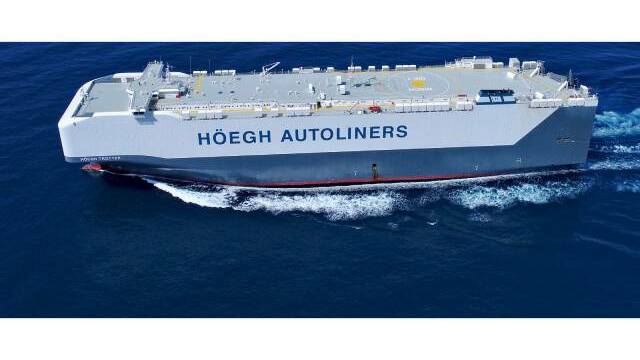

Ocean transport has a relatively low CO2 footprint, accounting for around 2.5% of global greenhouse gas (GHG) emissions. It is, as such, considered the more ecological and sustainable alternative for moving cargo from one point of the globe to another.
Therefore, it’s not surprising that the shipping industry carries about 90% of world trade. And while shipping is already the ‘greener’ option, sustainable goals of shipping companies are adapting rapidly, becoming more progressive and wider in scope.
Höegh Autoliners has been in the shipping industry for more than 90 years. With our long experience in shipping, we are committed to upholding a business model that supports growing world trade through sustainable service offerings. It is our aim to contribute to sustainable development by operating as a socially responsible shipping company and actively integrating social and environmental concerns in our ocean business operations.
Patron of the UN Global Compact Action platform
Höegh Autoliners is a proud patron of the United Nations Global Compact (UNGC). It signifies our commitment to conduct business in a safe, responsible and transparent through focusing on four main sustainability areas: being a responsible business partner, reducing our environmental footprint, creating a safe and inclusive place to grow, and protecting life below sea.
The focus areas are incorporated into how we work and behave and are ingrained in our culture. Through this, we aspire to create long-term value for our stakeholders and the communities in which we operate. As Head of Sustainability, Henrik Andersson states, “Results are achieved when these goals are anchored in our corporate strategies and integrated in the organisation.”
Collaborating with industry leaders
Henrik adds,
We believe that collaboration is key in creating a greener shipping industry. To realise this, we work with organisations and regulatory bodies that drive and support sustainable development initiatives.
As one of the founding members of Trident Alliance, Höegh actively participates in this coalition of shipping owners and operators who share a common interest in robust enforcement of maritime sulphur regulations. The alliance also collaborates with other stakeholders who share similar objectives.
Höegh is also a member of Clean Cargo, a business-to-business leadership initiative that involves major brands, cargo carriers, and freight forwarders dedicated to reducing the environmental impacts of global goods transportation and promoting responsible shipping. Members share a vision of a shipping industry that is a responsible part of sustainable supply chains and that supports clean oceans, healthy port communities, and global climate goals.
Reducing our environmental footprint
Henrik explains, “Our main sustainability agenda today is reducing Greenhouse Gas emissions.” To address this, the company commits to using only IMO-compliant fuel, reduce our vessels’ fuel consumption through ambitious fuel saving programmes and continue to implement fuel saving measures across the fleet.
Henrik says,
It is difficult to say what the fuels of the future will be, but I hope that the industry will be operating on fuels developed from renewable energy. This would allow us to operate our vessels efficiently and with limited negative environmental impact.
The vessel is the most important factor when we address the environmental impact of our services. Therefore, we work to ensure that our vessels are, as much as possible, developed to minimise their impact through their lifetime from construction via operation to recycling.
Protecting life below sea
Höegh Autoliners actively work to reduce overboard emissions to protect the ocean’s biodiversity and ecosystems. Overboard emission management and compliance minimise the spread of invasive species through ballast water and safeguard against marine pollution. Henrik states, “Within three years, all of our vessels will be equipped with Ballast Water Treatment Systems (BWTS).”
Another initiative is minimising the amount of waste oil, sludge and bilge water produced. The sludge and bilge are cleaned onboard using state-of-the-art equipment, and also monitored through a system called White box installed on our vessels.
The company operates a zero garbage overboard policy. This means no garbage other than food waste is to be discharged into the sea. Garbage is sorted in separate containers, and only disposed of at approved shore facilities.
Support from customers
Heading the company’s sustainability efforts and being responsible in ensuring we achieve our goals, Henrik reaches out to customers and other stakeholders with information about how we plan to reduce our negative environmental impact and meet future emissions targets. He states,
A successful sustainability strategy has to be aligned with our customer’s expectations and at the same time, comply with global regulations.
Henrik concludes,
We in the shipping industry cannot take on the challenge alone, we also need the support from our customers. Close cooperation with them will be essential in our journey towards more sustainable operations.



Related News.

Steel flows face fresh challenges in the final quarter of 2026
Steel flows slip into negative growth in July 2026 Global steel flows fall 1% y/y in July 2026 to reach 22.2 Mt. China’s share of global steel…

Insurance must shift “from repair to prevention”, says IUMI
Marine insurers will need to place greater emphasis on loss prevention as risks become more complex and costly to insure, according to Pascal Dubois,…

BIMCO’s Container Shipping Market Overview & Outlook September 2026 is out
Container Shipping Market Overview & Outlook Supply pressure is mounting "Disruptions and strong growth in head-haul trades continue to support…

New Baltic Handysize futures contracts now listed on SGX and EEX
Baltic Exchange announced that both SGX and European Energy Exchange (EEX) are now offering new Baltic Handysize futures contracts, providing market…
IUMI discusses greater focus on freight forwarding liability insurance
At its annual conference in Rotterdam today, the International Union of Marine Insurance (IUMI) discussed whether freight forwarding liability…
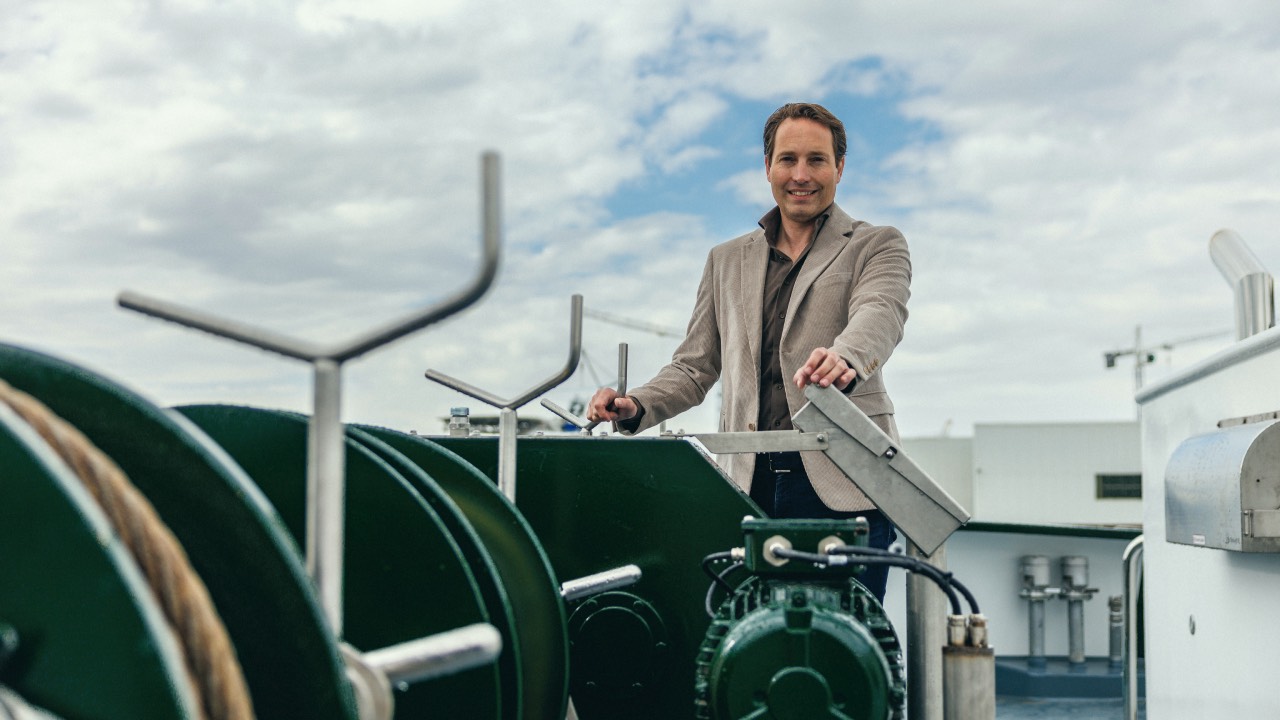
Dijvler enters sea-going vessel market with new winch programme and multiple orders
Dutch manufacturer acquires C-Nautical designs and certifications, bringing back a European alternative, proven by its first contracts with Damen and…
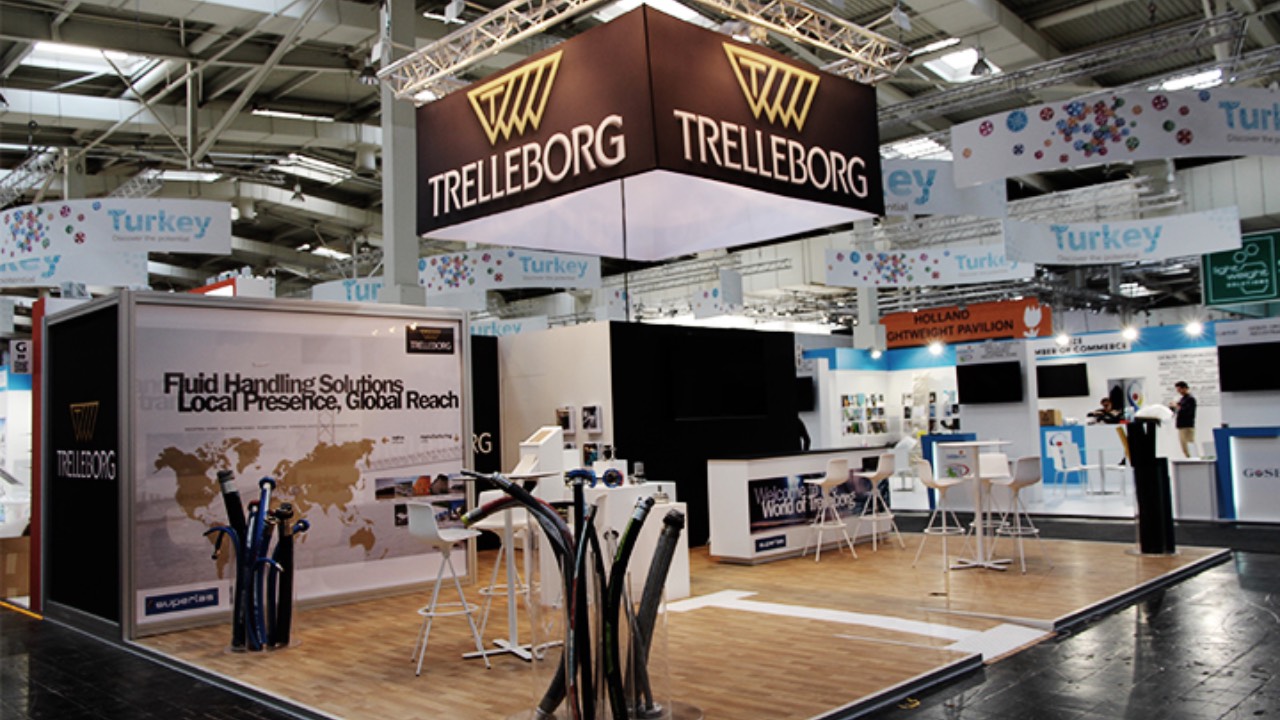
Trelleborg showcases complementary industrial hose and sealing solutions for manufacturing at Alihankinta
Trelleborg presents a combined showcase of industrial hose and sealing solutions for manufacturing at Alihankinta 2026. Visitors can meet experts…
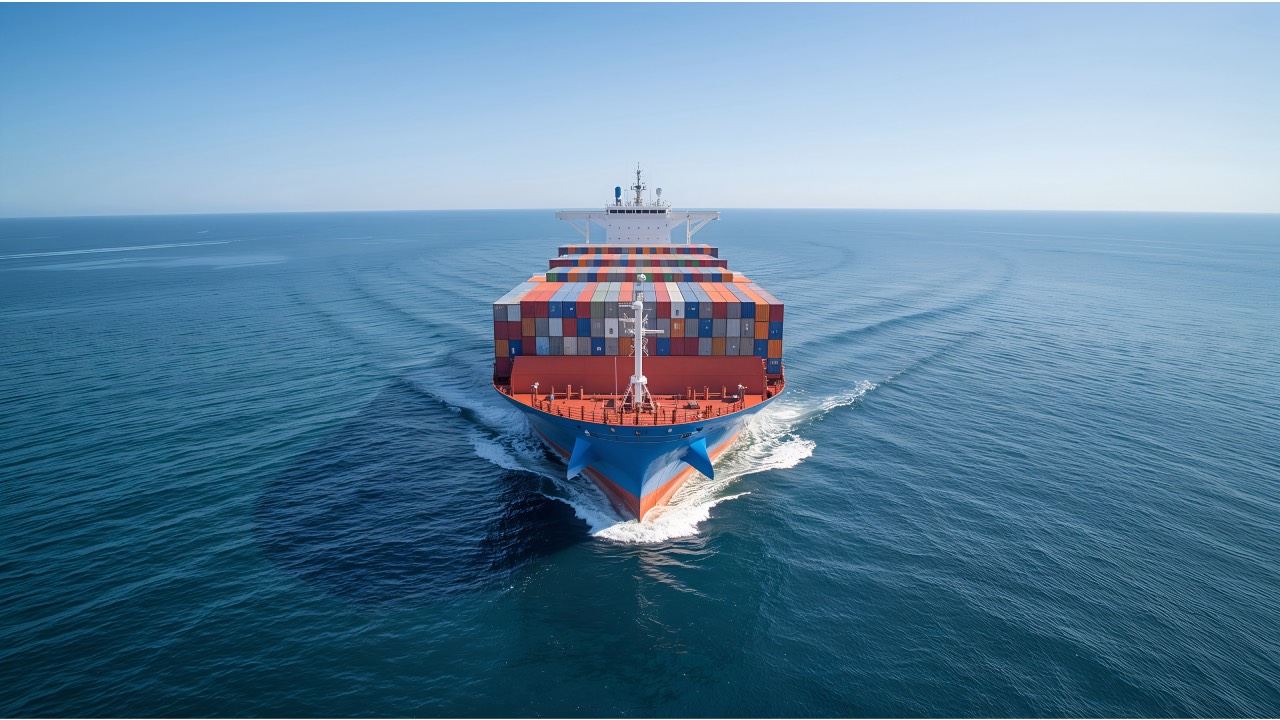
Accelleron secures projects involving more than 100 ACCX300-L turbochargers
More than 100 turbochargers selected in the first four months following commercial launch ACCX300-L included in major two-stroke engine designers'…
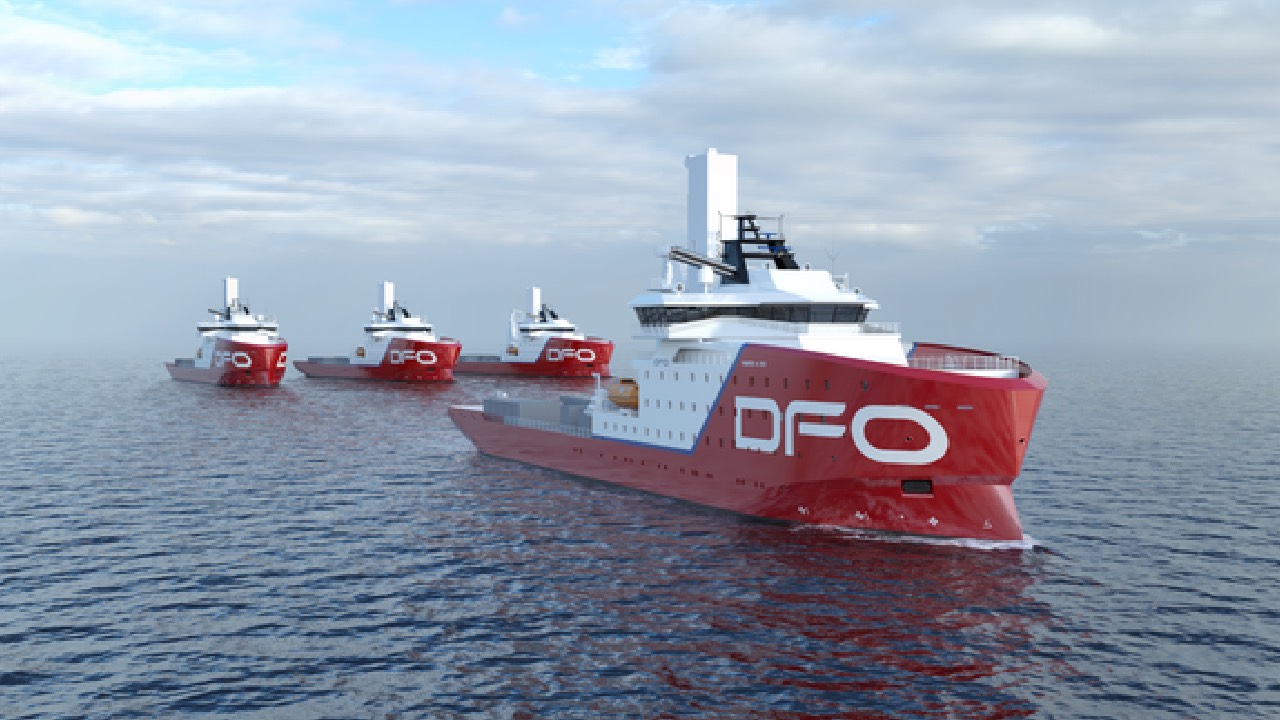
DFO SELECTS VARD TO DELIVER NEXT-GENERATION COMMISSIONING SERVICE OPERATION VESSEL
VARD, one of the world’s leading designers and shipbuilders of specialized vessels and part of the Fincantieri Group, is proud to announce a new…
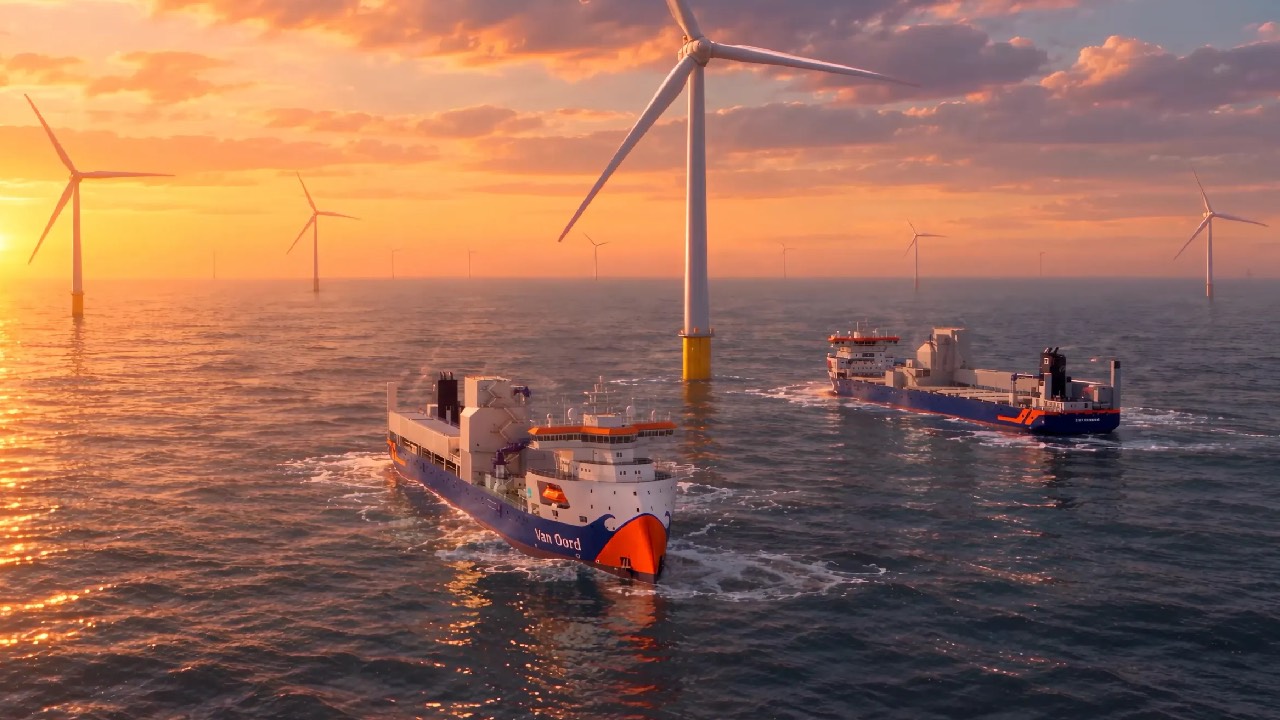
Van Oord unveils names of next-generation flexible fallpipe vessels
During WindEnergy Hamburg, Van Oord officially revealed the names of its two next-generation flexible fallpipe vessels: Vindnes and Vestnes.…
Subscribe to our newsletter!
if you dont want to swim alone in the ocean of news, sign up for the newsletter, and you will receive daily all the important news of world shipping!
